Seeing your vibrant, fragrant mint plant start to turn brown can be a real heartbreaker. It's like watching a friend lose their spark! But don't despair just yet. Browning leaves on mint plants are a common problem, and often, the cause is easily identifiable and correctable. Let's dive into the reasonswhy your mint plant might be turning brownand how you can bring it back to its lush, green glory. Why is My Mint Plant Turning Brown? Common Causes The mystery of the browning mint can often be solved by playing detective in your garden. There are several common culprits that contribute to this unfortunate situation. Understanding these potential causes is the first step towards restoring your mint plant's health. Think of it as a process of elimination - checking off the possible suspects one by one. Watering Issues: Too Much or Too Little Watering problems are probably the most frequent cause of brown leaves on mint. Mint plants are fairly ...
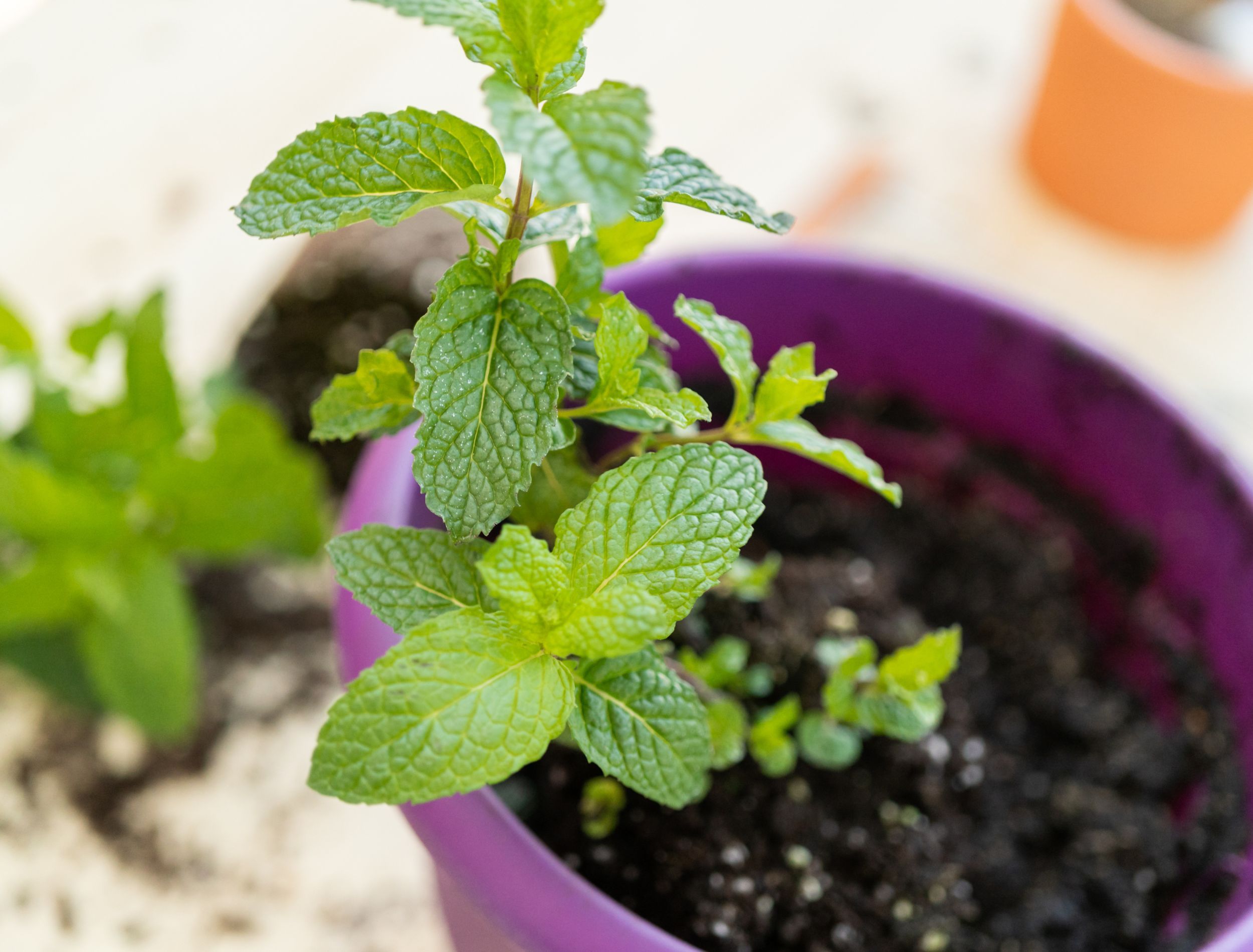
Mint. Just the word conjures up images of refreshing mojitos, fragrant teas, and that unmistakable, invigorating aroma that fills the air. What if I told you that growing your own mint from seed wasn't as daunting as you might think? Sure, it takes a little patience, but the reward of fresh, homegrown mint at your fingertips is well worth the effort. Let's dive into the wonderful world of growing mint from seed!
Planting Mint From Seed: A Comprehensive Guide
Is Planting Mint From Seed Right For You? Understanding the Basics
Before we jump into the nitty-gritty, let's address the elephant in the room: why grow mint from seed when you can easily propagate it from cuttings or established plants? The truth is, growing mint from seed offers a unique opportunity to explore different varieties and cultivate a plant entirely your own. While it may take a bit longer than other methods, starting from seed allows you to witness the entire life cycle of the plant, from tiny sprout to thriving herb. Growing mint from seed also reduces the risk of introducing diseases or pests that might be present in pre-existing plants or cuttings.
Here are some key considerations when deciding whether to plant mint from seed:
Time Commitment: Growing mint from seed requires more time and patience compared to other propagation methods. Expect several weeks for germination and initial growth. Variety: Starting from seed allows you to explore a wider range of mint varieties that might not be readily available as established plants. Cost: Seeds are generally more affordable than buying established plants, especially if you plan to grow a large quantity of mint. Challenge: For some gardeners, the challenge of nurturing a plant from seed is a rewarding experience in itself.
Choosing the Right Mint Seeds and Varieties for Planting
The world of mint is vast and varied! From classic peppermint and spearmint to more exotic varieties like chocolate mint and orange mint, the choices can be overwhelming. When selecting mint seeds, consider your culinary preferences, desired flavor profiles, and growing conditions.
Here's a breakdown of some popular mint varieties and their characteristics:
Peppermint (Mentha × piperita): Known for its strong, cooling flavor, peppermint is a classic choice for teas, desserts, and aromatherapy. Spearmint (Mentha spicata): Spearmint has a milder, sweeter flavor than peppermint and is commonly used in chewing gum, sauces, and cocktails. Chocolate Mint (Mentha × piperita 'Chocolate'): This variety offers a unique blend of mint and chocolate flavors, making it perfect for desserts and beverages. Orange Mint (Mentha aquatica): With its citrusy aroma and flavor, orange mint adds a refreshing twist to salads, teas, and desserts.
When purchasing mint seeds, always choose a reputable supplier to ensure quality and viability. Look for seeds that are labeled with the variety name and have a recent expiration date. Consider reading online reviews to gauge the reliability of different seed brands and suppliers.
Remember, even if you meticulously plant your mint from seed, cross-pollination can occur! While the plants will still be edible, you might find the flavors change slightly from what you expected.
Preparing for Planting Mint From Seed: Soil, Light, and Containers
Mint, while adaptable, thrives best in specific conditions. Providing the right environment from the get-go will significantly improve your chances of success when planting mint from seed. Getting the soil, light, and containers correct is very important.
Soil Preparation
Mint prefers well-draining soil that is rich in organic matter. A good potting mix will work wonders for planting mint from seed. Here’s a simple recipe for a suitable soil mix:
60% High-Quality Potting Soil
20% Compost (provides nutrients and improves drainage)
20% Perlite or Vermiculite (enhances drainage and aeration)
Mix these components thoroughly before filling your seed trays or containers. A slightly acidic to neutral soil p H (around 6.0 to
7.0) is ideal for mint growth. You can test your soil p H using a home testing kit or by sending a sample to a local agricultural extension office.
Light Requirements
Mint needs adequate sunlight to thrive. Aim for at least 6 hours of direct sunlight per day. If you don't have access to a sunny location, consider using grow lights to supplement natural light. Place seedlings under grow lights for 14-16 hours per day, ensuring the lights are positioned a few inches above the plants.
Choosing the Right Containers
When starting mint from seed, you have two primary options for containers: seed trays and small pots. Seed trays are ideal for germinating a large number of seeds, while individual pots allow for easier transplanting later on. Regardless of your choice, make sure the containers have drainage holes to prevent waterlogging.
For seed trays, use a tray with individual cells or compartments to make transplanting easier. For pots, choose small pots that are 2-3 inches in diameter. You can also use biodegradable pots, which can be planted directly into the ground, minimizing root disturbance during transplanting.
The Step-by-Step Guide to Planting Mint From Seed
Now for the fun part! Here's a detailed guide to planting mint from seed, ensuring your success from sowing to seedling:
1.Prepare the Soil: Moisten the soil mix slightly before filling your seed trays or containers. Avoid overwatering, as soggy soil can lead to seed rot.
2.Sow the Seeds: Mint seeds are tiny, so sow them sparingly. Sprinkle a few seeds onto the surface of the soil and gently press them down. Do not bury the seeds deeply; they need light to germinate.
3.Cover the Seeds: Lightly cover the seeds with a thin layer of vermiculite or finely sifted soil. This will help retain moisture and provide a suitable environment for germination.
4.Water Gently: Use a spray bottle or a gentle watering can to moisten the soil. Avoid using a strong stream of water, which can dislodge the seeds.
5.Create a Humid Environment: Cover the seed trays or pots with a clear plastic lid or plastic wrap to create a humid environment. This will help retain moisture and promote germination.
6.Provide Light and Warmth: Place the seed trays or pots in a warm, bright location, such as a sunny windowsill or under grow lights. The ideal temperature for germination is between 70°F and 75°F (21°C and 24°C).
7.Monitor Moisture Levels: Check the soil moisture daily and water gently as needed to keep the soil consistently moist but not waterlogged.
8.Remove the Cover: Once the seedlings emerge (usually within 10-14 days), remove the plastic lid or plastic wrap to allow for better air circulation.
9.Thin Seedlings (If Necessary): If you sowed the seeds too thickly, thin the seedlings to give them enough space to grow. Snip off the weaker seedlings at the soil line, leaving the strongest ones to thrive.
10.Transplant Seedlings: Once the seedlings have developed a few sets of true leaves, they are ready to be transplanted into larger pots or into the garden.
Caring for Your Mint Seedlings After Planting
Congratulations, you've successfully germinated your mint seeds! Now, it's time to provide the right care to ensure your seedlings grow into healthy, thriving plants. Planting mint from seed is only half the battle; post-planting care is just as vital.
Watering and Fertilizing
Water your mint seedlings regularly, keeping the soil consistently moist but not waterlogged. Allow the top inch of soil to dry out between waterings. Overwatering can lead to root rot, while underwatering can stunt growth. Use a balanced liquid fertilizer diluted to half strength every 2-3 weeks to provide essential nutrients. Look for a fertilizer with an NPK ratio (nitrogen, phosphorus, potassium) of around 10-10-10.
Pruning and Harvesting
Pruning is essential for maintaining the shape and promoting bushy growth of your mint plants. Pinch back the tips of the stems regularly to encourage branching. You can begin harvesting mint leaves once the plants are about 6-8 inches tall. Simply snip off the stems just above a set of leaves. Regular harvesting will encourage new growth and keep your plants productive.
Pest and Disease Management
Mint is generally resistant to pests and diseases, but it can occasionally be affected by common garden problems such as aphids, spider mites, and powdery mildew. Inspect your plants regularly for any signs of infestation or disease. Treat any problems promptly using organic pest control methods, such as insecticidal soap or neem oil. Ensure good air circulation around your plants to prevent fungal diseases. Consider companion planting basil to help deter common mint pests!
Troubleshooting Common Issues When Planting Mint From Seed
Even with the best intentions, you might encounter some challenges along the way. Here are some common issues you might face when planting mint from seed and how to address them:
Poor Germination: If your mint seeds aren't germinating, it could be due to several factors, such as old seeds, improper soil moisture, or insufficient light. Ensure you're using fresh seeds, keeping the soil consistently moist, and providing adequate light. Leggy Seedlings: Leggy seedlings (tall and spindly) are often a sign of insufficient light. Move your seedlings to a brighter location or supplement with grow lights. Yellowing Leaves: Yellowing leaves can indicate overwatering, nutrient deficiencies, or pest infestations. Adjust your watering schedule, fertilize regularly, and inspect your plants for pests. Slow Growth: Slow growth can be caused by various factors, including poor soil, insufficient light, or inadequate watering. Evaluate your growing conditions and make adjustments as needed.
By addressing these common issues promptly, you can help your mint seedlings thrive and enjoy a bountiful harvest of fresh, aromatic mint.
Enjoying Your Homegrown Mint From Seed!
From the first tiny sprouts to the bountiful leaves ready for harvest, the journey of growing mint from seed is incredibly rewarding. You've now successfully navigated the process, and the possibilities are endless! Use your fresh mint in teas, cocktails, salads, desserts, or even as a fragrant addition to your home. Experiment with different recipes and find your favorite ways to enjoy the fruits (or rather, leaves) of your labor.
Whether it's to add a touch of freshness to your summer lemonade or to create a soothing herbal tea during winter, homegrown mint brings a unique and delightful flavor to your life.
Tending to your garden can sometimes be tough on your joints! Consider using a "KVR Enhanced Gardener's Kneeler and Seat", with its thick, cushioned surface, making those planting and harvesting tasks much more comfortable. This foldable gardening stool even comes with tool pouches, so you can keep everything within easy reach! You can find this helpful product here: https://amzn.to/4mhl Mx I.