Seeing your vibrant, fragrant mint plant start to turn brown can be a real heartbreaker. It's like watching a friend lose their spark! But don't despair just yet. Browning leaves on mint plants are a common problem, and often, the cause is easily identifiable and correctable. Let's dive into the reasonswhy your mint plant might be turning brownand how you can bring it back to its lush, green glory. Why is My Mint Plant Turning Brown? Common Causes The mystery of the browning mint can often be solved by playing detective in your garden. There are several common culprits that contribute to this unfortunate situation. Understanding these potential causes is the first step towards restoring your mint plant's health. Think of it as a process of elimination - checking off the possible suspects one by one. Watering Issues: Too Much or Too Little Watering problems are probably the most frequent cause of brown leaves on mint. Mint plants are fairly ...
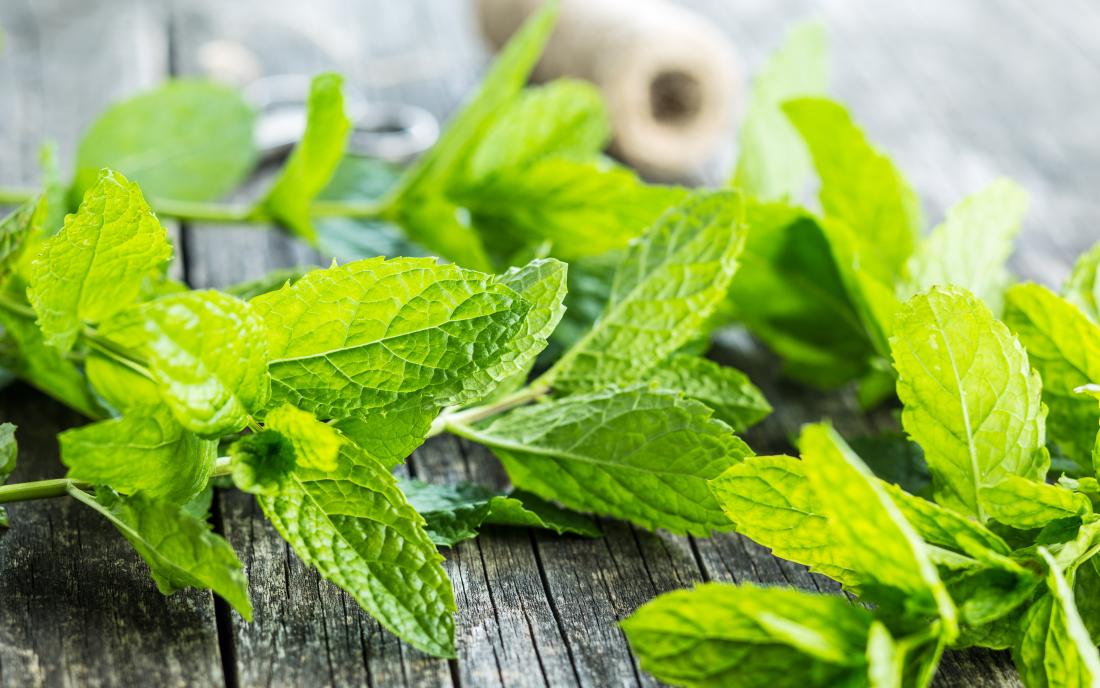
Seeing your vibrant mint plant slowly wither is a heartbreaking sight, especially when it starts from the bottom up. You're not alone! This is a common issue, and understanding the potential causes is the first step toward reviving your beloved herb. Let's delve into the reasons behind your mint plant's decline and how to bring it back to life.
Why is My Mint Plant Dying From the Bottom Up? Understanding the Culprits
A mint plant dying from the bottom up usually signifies an underlying problem affecting the plant's roots and lower stems. Several factors could be at play, ranging from improper watering to pest infestations. Identifying the specific cause is crucial for implementing the right solution. Let's explore some of the most common reasons your mint plant might be exhibiting this concerning symptom.
Overwatering: A Common Mistake for Mint Plants
Overwatering is one of the most frequent causes of a mint plant dying from the bottom up. Mint plants thrive in moist soil but are highly susceptible to root rot if the soil remains soggy. When the roots are constantly submerged in water, they can't access oxygen, leading to decay. This rot often begins at the bottom of the plant, causing the lower leaves to turn yellow or brown, wilt, and eventually die. The stems near the soil line may also become soft and mushy. To determine if overwatering is the culprit, check the soil moisture by sticking your finger about an inch or two into the soil. If it feels consistently wet, you're likely overwatering.
Correcting overwatering involves improving drainage and adjusting your watering schedule. Ensure your pot has drainage holes. If the soil is heavily compacted, consider repotting with a well-draining potting mix. Allow the top inch of soil to dry out between waterings. Avoid watering on a set schedule; instead, water only when the plant needs it.
Underwatering: The Opposite Extreme
While overwatering is more common, underwatering can also cause a mint plant to decline from the bottom up. When the plant doesn't receive enough water, it prioritizes supplying moisture to the newer growth at the top, leaving the lower leaves and stems to dry out. These lower leaves will often turn brown and crispy before falling off. The soil will feel dry to the touch, and the plant may appear generally stressed or droopy.
To remedy underwatering, thoroughly soak the soil until water drains from the bottom of the pot. Monitor the soil moisture regularly and water whenever the top inch of soil feels dry. Consider using a self-watering pot or adding water-retaining polymers to the soil to help retain moisture, especially if you live in a hot or dry climate.
Fungal Diseases: Root Rot and More
Fungal diseases, particularly root rot, are a significant threat to mint plants. As mentioned earlier, overwatering creates an ideal environment for fungal growth. Pathogens like Pythiumand Phytophthorathrive in wet conditions and attack the plant's roots, causing them to rot. This prevents the plant from absorbing water and nutrients, leading to the telltale signs of a mint plant dying from the bottom up. Signs of fungal infection include dark, mushy roots, a foul odor, and yellowing or browning of the lower leaves.
To combat fungal diseases, improve drainage and air circulation. Remove any affected leaves or stems. In severe cases, you may need to repot the plant with fresh, sterile potting mix. Consider using a fungicide specifically formulated for root rot, following the instructions carefully. Preventative measures include avoiding overwatering, providing adequate air circulation, and using disease-free soil.
Nutrient Deficiencies: A Slow Decline
Nutrient deficiencies can also contribute to a mint plant's decline, especially if the plant is growing in poor-quality soil or hasn't been fertilized in a while. A lack of essential nutrients, such as nitrogen, phosphorus, and potassium, can weaken the plant, making it more susceptible to disease and pests. Nutrient deficiencies can manifest in various ways, including yellowing of the lower leaves (chlorosis), stunted growth, and poor overall health. While not always starting from the bottom, the older, lower leaves are often the first to show signs of deficiency.
To address nutrient deficiencies, fertilize your mint plant regularly with a balanced liquid fertilizer or slow-release fertilizer. Follow the instructions on the fertilizer label to avoid over-fertilizing, which can also harm the plant. Consider amending the soil with compost or other organic matter to improve its nutrient content and drainage.
Pest Infestations: Hidden Threats
Pests can weaken your mint plant and contribute to its decline from the bottom up. Common pests that attack mint include aphids, spider mites, and whiteflies. These pests suck the sap from the plant, causing the leaves to turn yellow, become distorted, and eventually die. Infestations often start on the undersides of the leaves or in the crevices of the stems, making them difficult to detect early on. Look for signs of pests, such as small insects, webbing, or sticky residue on the leaves. A severe infestation can stress the plant, leading to leaves dying from the bottom up.
To control pests, start by inspecting your plant regularly. If you find any pests, try washing them off with a strong stream of water. You can also use insecticidal soap or neem oil to control infestations. Apply these treatments according to the label instructions, being sure to cover all parts of the plant, including the undersides of the leaves. Encourage beneficial insects, such as ladybugs and lacewings, to help control pest populations naturally.
Poor Air Circulation: Stagnant Conditions
Mint plants, while resilient, appreciate good air circulation. Poor air circulation, especially in humid environments, can create conditions that promote fungal diseases and pest infestations. Stagnant air can trap moisture around the plant, making it more vulnerable to root rot and other problems. Without proper air flow, the leaves may remain damp, creating an ideal environment for fungal spores to germinate and spread.
To improve air circulation, ensure your mint plant is not overcrowded by other plants. Prune the plant regularly to remove dead or dying leaves and stems, and provide ample space between plants. If growing indoors, consider using a fan to circulate the air. Choosing a location with good ventilation can make a significant difference in your mint plant's health.
Reviving Your Dying Mint Plant: A Step-by-Step Guide
Now that we've explored the potential causes of a mint plant dying from the bottom up, let's outline a step-by-step guide to help you revive your plant.
- Assess the Damage: Carefully inspect your plant for signs of pests, diseases, or nutrient deficiencies. Check the soil moisture to determine if overwatering or underwatering is the issue.
- Adjust Watering: Based on your assessment, adjust your watering schedule. Allow the top inch of soil to dry out between waterings, and ensure your pot has adequate drainage.
- Improve Drainage: If the soil is poorly draining, repot the plant with a well-draining potting mix. You can also add perlite or vermiculite to the soil to improve drainage.
- Treat Pests and Diseases: If you find pests or diseases, treat your plant with appropriate measures, such as insecticidal soap, neem oil, or a fungicide.
- Fertilize: If your plant is nutrient-deficient, fertilize it with a balanced liquid fertilizer or slow-release fertilizer. Follow the instructions on the fertilizer label to avoid over-fertilizing.
- Prune: Prune away any dead or dying leaves and stems to improve air circulation and encourage new growth.
- Provide Adequate Light: Mint plants thrive in bright, indirect light. Ensure your plant is receiving enough light to support healthy growth.
- Monitor and Adjust: Keep a close eye on your plant and adjust your care routine as needed. With consistent care, your mint plant should begin to recover and produce new growth.
Preventing Future Problems with Mint Plants
Prevention is always better than cure. By taking proactive steps, you can minimize the risk of your mint plant dying from the bottom up in the future.
- Use well-draining soil: This prevents water from logging and causing root rot.
- Water properly: Water deeply but infrequently, allowing the soil to dry out slightly between waterings.
- Provide adequate light: Mint plants need at least 6 hours of sunlight per day.
- Fertilize regularly: Feed your plant with a balanced fertilizer every few weeks during the growing season.
- Prune regularly: This encourages bushier growth and improves air circulation.
- Monitor for pests and diseases: Inspect your plant regularly for signs of pests or diseases, and take action promptly if you notice any problems.
Kneeling in Comfort While Gardening
Sometimes tending to your plants requires getting down and dirty, and that can be tough on your knees and back. For a more comfortable gardening experience, consider trying a garden kneeler and seat combination. TheKVR Upgraded Garden Kneeler and Seat with Thicken & Widen Soft Kneeling Pad, Heavy Duty Foldable Gardener Stool with 2 Tool Pouches offers a cushioned pad for kneeling and can also be flipped over to use as a seat. It even comes with tool pouches to keep your gardening essentials close at hand! You can find this helpful gardening tool on Amazon: https://amzn.to/4mhl Mx I. This upgraded gardening kneeler and seat helps to prevent injury when attending to your mint plant.
By understanding the potential causes of a mint plant dying from the bottom up and taking proactive steps to prevent and address these issues, you can keep your mint plant healthy and thriving for years to come. Happy gardening!