Seeing your vibrant, fragrant mint plant start to turn brown can be a real heartbreaker. It's like watching a friend lose their spark! But don't despair just yet. Browning leaves on mint plants are a common problem, and often, the cause is easily identifiable and correctable. Let's dive into the reasonswhy your mint plant might be turning brownand how you can bring it back to its lush, green glory. Why is My Mint Plant Turning Brown? Common Causes The mystery of the browning mint can often be solved by playing detective in your garden. There are several common culprits that contribute to this unfortunate situation. Understanding these potential causes is the first step towards restoring your mint plant's health. Think of it as a process of elimination - checking off the possible suspects one by one. Watering Issues: Too Much or Too Little Watering problems are probably the most frequent cause of brown leaves on mint. Mint plants are fairly ...
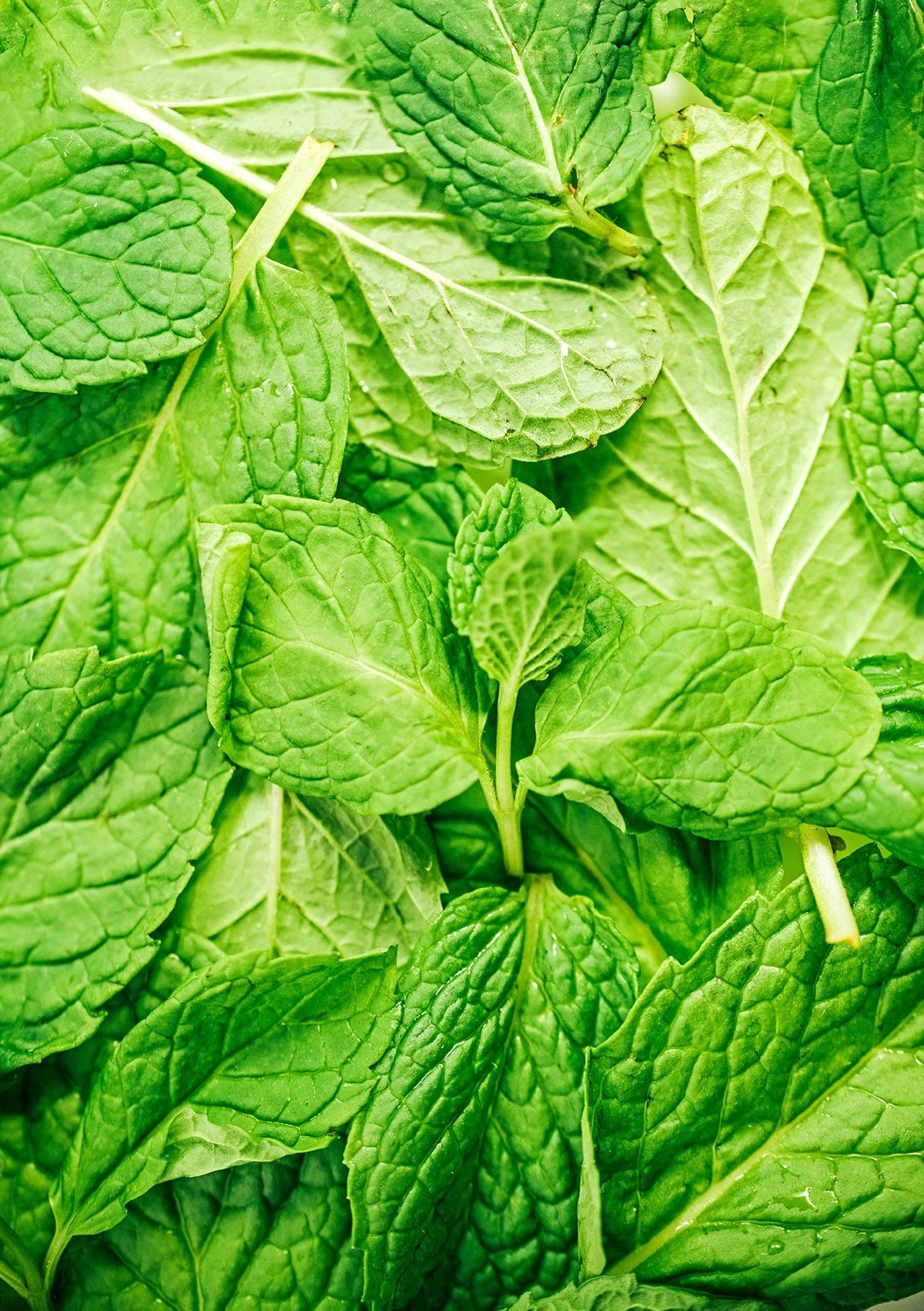
Have you ever strolled through a garden and been captivated by that refreshing, invigorating scent? Chances are, you've encountered mint, a plant more than just a fragrant addition to your landscape. Beyond its delightful aroma, mint boasts a remarkable array of benefits, making it a true powerhouse in the world of herbs. Let's delve into the amazing mint plant and discover all the good it can do for you!
Unveiling the Wonders: What is Mint Plant Good For?
Mint, belonging to the Mentha genus, encompasses a diverse group of plants known for their aromatic properties and widespread culinary and medicinal applications. From peppermint to spearmint, each variety possesses a unique flavor profile and a distinct set of benefits. Exploring the different species can reveal a whole new world of possibilities for using this versatile herb.
The Refreshing Benefits of Mint Plant
So, what is mint plant good for? The benefits of mint are surprisingly diverse, ranging from soothing digestive issues to boosting mental clarity. Its versatility makes it a staple in many cultures around the world.
Mint Plant for Digestive Health
One of the most well-known benefits of mint is its ability to aid digestion. Mint contains compounds, particularly menthol, that relax the muscles in the gastrointestinal tract. This can help alleviate symptoms of indigestion, bloating, and gas. Menthol's relaxing effect can also ease the discomfort associated with irritable bowel syndrome (IBS). A cup of mint tea after a meal can be a simple and effective way to support healthy digestion.
Case Study: A study published in the journal "Alimentary Pharmacology & Therapeutics" found that peppermint oil capsules significantly reduced abdominal pain and improved overall IBS symptoms compared to a placebo. This highlights the potential of mint, particularly peppermint, for managing digestive disorders.
Mint Plant for Respiratory Relief
Mint's cooling and anti-inflammatory properties make it a valuable remedy for respiratory ailments. Menthol, found abundantly in peppermint, acts as a natural decongestant, helping to clear nasal passages and ease breathing. Inhaling steam infused with mint leaves can provide relief from congestion caused by colds, allergies, or sinusitis. Mint's anti-inflammatory effects can also soothe irritated airways, reducing coughing and promoting easier breathing.
Mint Plant for Oral Hygiene
The refreshing flavor and antibacterial properties of mint make it an excellent choice for promoting oral hygiene. Mint can help freshen breath by masking unpleasant odors and inhibiting the growth of bacteria in the mouth. Many toothpastes and mouthwashes incorporate mint for its flavor and its ability to kill germs and prevent plaque buildup. Chewing on fresh mint leaves can provide a natural breath freshener and a boost to your oral health.
Mint Plant for Mental Clarity and Focus
The invigorating aroma of mint has been shown to enhance mental alertness and improve cognitive function. Studies have found that inhaling mint scent can boost concentration, memory recall, and overall cognitive performance. Peppermint oil, in particular, is often used in aromatherapy to promote focus and mental clarity. Whether you're studying, working, or simply need a mental pick-me-up, a whiff of mint can help sharpen your mind.
Data Point: Research presented at the Association for Chemoreception Sciences annual meeting revealed that peppermint aroma improved participants' performance on cognitive tasks, demonstrating the potential of mint as a natural cognitive enhancer.
Exploring Different Mint Varieties and their Unique "Good For" Qualities
The Mentha genus encompasses a wide range of species, each with its distinct aroma, flavor, and health benefits. Here's a glimpse into some popular mint varieties and what they are "good for":
- Peppermint: Known for its strong, cooling flavor, peppermint is excellent for digestive relief, headache relief, and improving mental focus.
- Spearmint: With a milder, sweeter flavor than peppermint, spearmint is a popular choice for culinary uses and is also beneficial for digestive health and hormone balance.
- Chocolate Mint: This variety boasts a unique chocolatey aroma and flavor, making it a delightful addition to desserts and teas. It also offers similar benefits to other mints, such as digestive support.
- Orange Mint: Infused with a citrusy aroma, orange mint is a refreshing addition to beverages and salads. Its uplifting scent can also boost mood and energy levels.
Beyond these common varieties, there are many other intriguing mints to explore, such as pineapple mint, apple mint, and lemon mint, each offering a unique flavor profile and a set of health benefits.
Incorporating Mint Plant into Your Daily Life: Practical Tips
Now that you know what is mint plant good for, let's explore practical ways to incorporate it into your daily routine:
- Brew a cup of mint tea: Simply steep fresh or dried mint leaves in hot water for a soothing and refreshing beverage.
- Add mint to your meals: Chop fresh mint and sprinkle it over salads, soups, and desserts for a burst of flavor and added health benefits.
- Make mint-infused water: Add mint leaves and slices of lemon or cucumber to your water for a refreshing and hydrating drink.
- Use mint essential oil in aromatherapy: Diffuse mint essential oil to promote mental clarity, reduce stress, and ease respiratory congestion.
- Grow your own mint plant: Mint is easy to grow in a pot or garden, providing you with a fresh and readily available source of this beneficial herb. However, be mindful of planting it directly in the ground as it can spread aggressively.
Safety Considerations: Things to Keep in Mind
While mint is generally safe for most people, there are a few precautions to consider:
- Allergies: Some individuals may be allergic to mint. If you experience any allergic reactions, such as itching, hives, or difficulty breathing, discontinue use and seek medical attention.
- Pregnancy and Breastfeeding: Pregnant and breastfeeding women should consult with their healthcare provider before consuming large amounts of mint or using mint essential oil.
- GERD: Peppermint can sometimes worsen symptoms of gastroesophageal reflux disease (GERD) in some individuals.
When using mint essential oil, always dilute it with a carrier oil before applying it to the skin. Avoid ingesting undiluted essential oils.
Gardening can be much more enjoyable and easier on your body with the right tools. Consider the KVR Upgraded Garden Kneeler and Seat, a heavy-duty foldable stool with a thick, soft kneeling pad and convenient tool pouches, providing comfort and practicality for all your gardening tasks. You can find this versatile gardener's seat with tool pouches here: https://amzn.to/4mhl Mx I
Conclusion: Embracing the Goodness of Mint Plant
From its digestive benefits to its refreshing aroma, mint offers a multitude of ways to enhance your health and well-being. Whether you're sipping a cup of mint tea, adding it to your culinary creations, or using it in aromatherapy, embracing the goodness of mint plant is a simple and effective way to promote a healthier and more vibrant life.