Seeing your vibrant, fragrant mint plant start to turn brown can be a real heartbreaker. It's like watching a friend lose their spark! But don't despair just yet. Browning leaves on mint plants are a common problem, and often, the cause is easily identifiable and correctable. Let's dive into the reasonswhy your mint plant might be turning brownand how you can bring it back to its lush, green glory. Why is My Mint Plant Turning Brown? Common Causes The mystery of the browning mint can often be solved by playing detective in your garden. There are several common culprits that contribute to this unfortunate situation. Understanding these potential causes is the first step towards restoring your mint plant's health. Think of it as a process of elimination - checking off the possible suspects one by one. Watering Issues: Too Much or Too Little Watering problems are probably the most frequent cause of brown leaves on mint. Mint plants are fairly ...
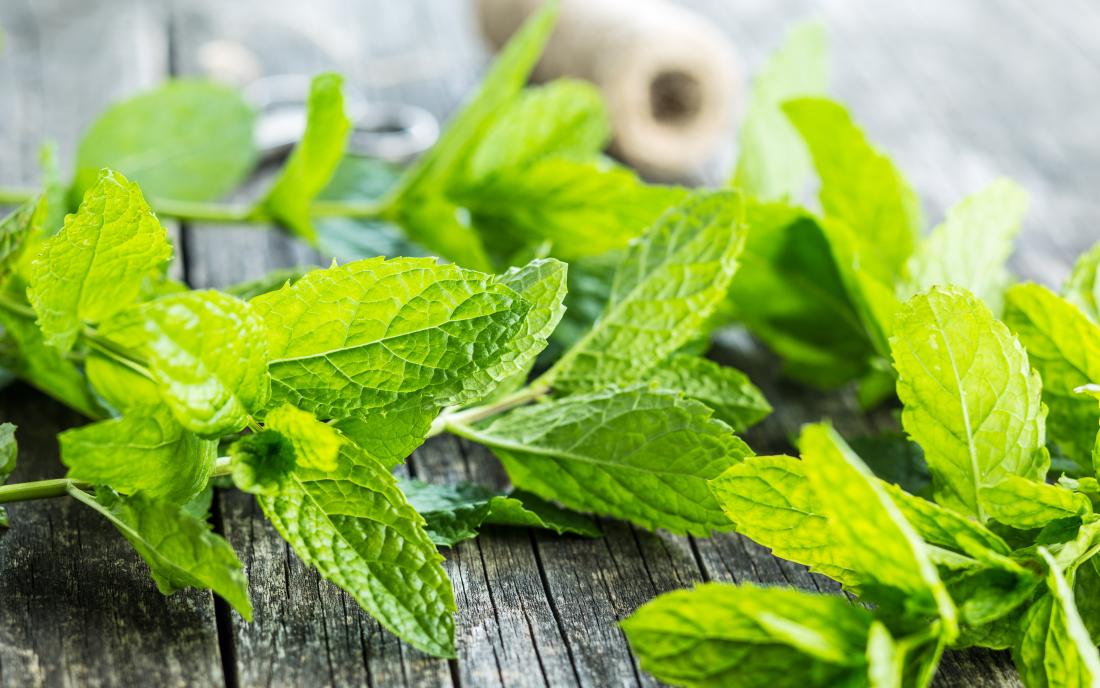
Have you ever caught your furry friend nibbling on the mint plant in your garden and panicked? Mint, with its refreshing aroma, is a popular herb for humans. But when it comes to our canine companions, many pet owners wonder: is mint plant toxic to dogs? Let's dig into the facts to help you keep your pup safe and sound.
Is Mint Plant Toxic To Dogs? Understanding the Risks
The simple answer is: it depends. While some types of mint are considered relatively safe for dogs in small quantities, others can be problematic. Understanding the nuances is crucial for responsible pet ownership. Not all mints are created equal when it comes to canine consumption.
The Good News: Some Mint Varieties Are Safe for Dogs
Certain varieties of mint are considered non-toxic to dogs, primarily because they contain lower concentrations of compounds that could potentially cause issues. These "safe" mints can even offer some health benefits, though moderation is always key.
Peppermint (Mentha × piperita) and Spearmint (Mentha spicata): Generally Considered Safe in Small Doses
Peppermint and spearmint are the most commonly used mint varieties in human applications. When ingested in very small quantities, they are generally considered safe for dogs. In fact, some commercially available dog treats and dental chews contain small amounts of these mints for breath freshening and digestive benefits. Peppermint oil, while often used for its aroma, is much more concentrated and should be handled with extreme caution around dogs. It's best to avoid any topical application of pure peppermint oil on your dog's skin, as it can cause irritation.
However, even with these "safe" mints, there are caveats. Large quantities can still cause gastrointestinal upset, leading to vomiting, diarrhea, and loss of appetite. It's essential to exercise moderation and prevent your dog from consuming excessive amounts. Always consult with your veterinarian if you have any concerns about your dog's reaction to mint.
Potential Health Benefits of Mint for Dogs (in Moderation)
Believe it or not, mint, in very controlled quantities, can offer some benefits for dogs:
Fresher Breath: Just like for humans, mint can help freshen a dog's breath. Digestive Aid: Small amounts of mint may help soothe digestive issues like gas or bloating. Anti-inflammatory Properties:Some compounds in mint have anti-inflammatory effects.
Keep in mind that these benefits are minimal and easily achieved through other, more reliable and proven methods recommended by your veterinarian. Never rely solely on mint for your dog's health needs.
The Bad News: Pennyroyal Mint is Toxic to Dogs
Now, for the variety you absolutely need to be aware of: pennyroyal. Pennyroyal mint (Mentha pulegium) is highly toxic to dogs due to its high concentration of pulegone, a naturally occurring organic compound. Pulegone is severely toxic to the liver and can cause organ damage in dogs. Ingesting pennyroyal mint can be extremely dangerous and potentially fatal for your canine companion.
Pennyroyal Mint Toxicity in Dogs: What You Need To Know
The severity of pennyroyal mint toxicity depends on the amount ingested and the size of the dog. Even small amounts can cause serious problems. Signs of pennyroyal poisoning in dogs include:
Vomiting
Diarrhea
Lethargy
Weakness
Seizures
Liver failure
If you suspect your dog has ingested pennyroyal, seek immediate veterinary attention. The sooner treatment is administered, the better the chances of a positive outcome. There is no antidote to pulegone poisoning, so treatment focuses on supportive care, such as intravenous fluids, anti-seizure medications, and liver protectants.
Identifying Pennyroyal Mint
Pennyroyal mint has a strong, camphor-like scent. It's a low-growing plant with small, oval-shaped leaves and clusters of tiny, purplish flowers. It can be difficult to distinguish from other mint varieties, so if you are unsure, it's best to err on the side of caution and remove any potentially toxic mints from your dog's environment. Many garden centers carry various mint varieties, and sometimes mislabeling happens. It is always best to check online resources for images or even compare the mint to known examples.
What To Do If Your Dog Eats Mint
If your dog eats mint, the first thing to do is identify which type of mint it was. If it was pennyroyal, contact your veterinarian or an emergency veterinary clinic immediately. If it was peppermint or spearmint and the amount was small, monitor your dog for any signs of gastrointestinal upset. If your dog starts to vomit or have diarrhea, contact your veterinarian.
Immediate Steps to Take
Identify the Mint: Determine the type of mint your dog ingested. If you're unsure, take a sample to your veterinarian for identification. Assess the Amount: How much mint did your dog eat? A few leaves are much less concerning than a large quantity. Monitor for Symptoms: Watch for any signs of vomiting, diarrhea, lethargy, weakness, or seizures. Contact Your Veterinarian: Call your veterinarian or an emergency veterinary clinic for guidance, especially if you suspect pennyroyal ingestion.
Long-Term Prevention
The best way to protect your dog from mint toxicity is to prevent them from accessing mint plants in the first place. Here are some tips:
Remove Toxic Plants: If you have pennyroyal mint in your garden, remove it immediately. Restrict Access: Fence off your garden or use raised garden beds to keep your dog away from mint plants. Supervise Your Dog: Always supervise your dog when they are outside, especially in areas where mint plants may be growing. Educate Yourself: Learn to identify different mint varieties to avoid accidental exposure.
Protecting our beloved pets is always a top priority. Making informed decisions about the plants in our gardens and homes is one way to ensure their safety and well-being. By understanding the risks associated with certain mint varieties and taking proactive steps to prevent exposure, you can create a safe and happy environment for your furry friend.
Speaking of creating a happy environment, if you're an avid gardener, you might appreciate something that makes gardening more comfortable. Check out theKVR Upgraded Garden Kneeler and Seat with Thicken & Widen Soft Kneeling Pad, a truly heavy-duty and foldable gardener stool. This practical item comes complete with two tool pouches, making it an ideal gardening gift for women, men, and moms alike. This gardening kneeling stool could be just what you need to make those long hours in the garden more enjoyable! You can find it here:https://amzn.to/4mhl Mx I